Canva When asked about what items in your life use energy, you might think of objects in your home, such as bedroom lights, ceiling fans, refrigerators, and ovens. You might not immediately think of all that energy from the other places you visit on a regular basis. In fact, commercial buildings that people frequent every day–grocery stores, restaurants, offices, warehouses, and retail shops, just to name a few–all use a significant amount of energy to run their daily operations. To evaluate energy use, the Energy Department calculates source energy, which represents the total amount of energy required to run the building, including energy generation and transmission. It’s generally considered the most equitable way to compare the energy efficiency of buildings to each other. Of the more than 6 million commercial buildings in the U.S., the Energy Department collects data on 130,000 sites and has found they use an average energy use of 207,000 British thermal units per square foot per year. Compare that to residential locations and our homes don’t even come close to energy use: Among 723,000 residential buildings with reported data, the average energy use is 67,000 BTUs per square foot per year. The efficiency of a commercial building, measured in energy used per square foot of space, will vary based on many factors. Like residential buildings, the type of windows, insulation, HVAC systems, and more can change how much energy is needed to keep a building running. Commercial building operators also have to consider the type of mechanical or industrial equipment in use, the number of hours that the building is occupied, and whether the building houses materials that must be kept under specific environmental conditions. All of these aspects and more can change the energy necessary to allow the building to perform its function. To learn more about your state’s commercial energy use, LED Lighting Supply compiled a list of the states that use the most commercial energy per building using data from the Building Performance Database from the Office of Energy Efficiency and Renewable Energy. States are ranked by average source energy use intensity and ties are broken by the total number of commercial-use buildings in the database. #51. South Dakota Hank Shiffman // Shutterstock – 206 commercial buildings in database — Average energy use for commercial: 140K BTUs per square feet per year – 22 food sales, food service, and grocery store buildings — Average energy use for food: 484K BTUs – 26 retail and service buildings — Average energy use for retail: 139K BTUs – 14 office buildings — Average energy use for offices: 106K BTUs #50. Vermont Canva – 126 commercial buildings in database — Average energy use for commercial: 166K BTUs per square feet per year – 0 food sales, food service, and grocery store buildings — Average energy use for food: 0K BTUs – 22 retail and service buildings — Average energy use for retail: 142K BTUs – 44 office buildings — Average energy use for offices: 133K BTUs #49. Iowa Canva – 1,481 commercial buildings in database — Average energy use for commercial: 169K BTUs per square feet per year – 91 food sales, food service, and grocery store buildings — Average energy use for food: 410K BTUs – 213 retail and service buildings — Average energy use for retail: 150K BTUs – 161 office buildings — Average energy use for offices: 168K BTUs #48. Washington D.C. Canva – 3,257 commercial buildings in database — Average energy use for commercial: 174K BTUs per square feet per year – 81 food sales, food service, and grocery store buildings — Average energy use for food: 610K BTUs – 82 retail and service buildings — Average energy use for retail: 204K BTUs – 1,139 office buildings — Average energy use for offices: 157K BTUs #47. Montana Canva – 277 commercial buildings in database — Average energy use for commercial: 178K BTUs per square feet per year – 25 food sales, food service, and grocery store buildings — Average energy use for food: 483K BTUs – 46 retail and service buildings — Average energy use for retail: 145K BTUs – 36 office buildings — Average energy use for offices: 125K BTUs #46. Rhode Island Canva – 159 commercial buildings in database — Average energy use for commercial: 182K BTUs per square feet per year – 21 food sales, food service, and grocery store buildings — Average energy use for food: 531K BTUs – 36 retail and service buildings — Average energy use for retail: 145K BTUs – 36 office buildings — Average energy use for offices: 144K BTUs #45. Virginia Canva – 4,346 commercial buildings in database — Average energy use for commercial: 185K BTUs per square feet per year – 377 food sales, food service, and grocery store buildings — Average energy use for food: 533K BTUs – 386 retail and service buildings — Average energy use for retail: 167K BTUs – 886 office buildings — Average energy use for offices: 190K BTUs #44. California Rigucci // Shutterstock – 30,067 commercial buildings in database — Average energy use for commercial: 185K BTUs per square feet per year – 2,596 food sales, food service, and grocery store buildings — Average energy use for food: 716K BTUs – 4,024 retail and service buildings — Average energy use for retail: 151K BTUs – 8,063 office buildings — Average energy use for offices: 142K BTUs #43. Colorado Lauren Orr // Shutterstock – 5,103 commercial buildings in database — Average energy use for commercial: 186K BTUs per square feet per year – 504 food sales, food service, and grocery store buildings — Average energy use for food: 497K BTUs – 323 retail and service buildings — Average energy use for retail: 161K BTUs – 1,221 office buildings — Average energy use for offices: 164K BTUs #42. Georgia Canva – 437 commercial buildings in database — Average energy use for commercial: 251K BTUs per square feet per year – 148 food sales, food service, and grocery store buildings — Average energy use for food: 471K BTUs – 60 retail and service buildings — Average energy use for retail: 173K BTUs – 72 office buildings — Average energy use for offices: 147K BTUs #8. North Dakota Canva – 106 commercial buildings in database — Average energy use for commercial: 259K BTUs per square feet per year – 22 food sales, food service, and grocery store buildings — Average energy use for food: 497K BTUs – 26 retail and service buildings — Average energy use for retail: 156K BTUs – 27 office buildings — Average energy use for offices: 177K BTUs #7. Idaho Canva – 401 commercial buildings in database — Average energy use for commercial: 263K BTUs per square feet per year – 57 food sales, food service, and grocery store buildings — Average energy use for food: 528K BTUs – 72 retail and service buildings — Average energy use for retail: 160K BTUs – 67 office buildings — Average energy use for offices: 246K BTUs #6. Arkansas Canva – 335 commercial buildings in database — Average energy use for commercial: 278K BTUs per square feet per year – 127 food sales, food service, and grocery store buildings — Average energy use for food: 452K BTUs – 64 retail and service buildings — Average energy use for retail: 164K BTUs – 38 office buildings — Average energy use for offices: 160K BTUs #5. Nevada Jacob Boomsma // Shutterstock – 766 commercial buildings in database — Average energy use for commercial: 287K BTUs per square feet per year – 194 food sales, food service, and grocery store buildings — Average energy use for food: 578K BTUs – 101 retail and service buildings — Average energy use for retail: 174K BTUs – 146 office buildings — Average energy use for offices: 159K BTUs #4. Indiana Canva – 1,682 commercial buildings in database — Average energy use for commercial: 293K BTUs per square feet per year – 481 food sales, food service, and grocery store buildings — Average energy use for food: 657K BTUs – 370 retail and service buildings — Average energy use for retail: 179K BTUs – 225 office buildings — Average energy use for offices: 163K BTUs #3. Alabama Canva – 790 commercial buildings in database — Average energy use for commercial: 315K BTUs per square feet per year – 222 food sales, food service, and grocery store buildings — Average energy use for food: 700K BTUs – 169 retail and service buildings — Average energy use for retail: 183K BTUs – 80 office buildings — Average energy use for offices: 159K BTUs #2. Tennessee Nolichuckyjake // Shutterstock – 1,616 commercial buildings in database — Average energy use for commercial: 315K BTUs per square feet per year – 395 food sales, food service, and grocery store buildings — Average energy use for food: 749K BTUs – 230 retail and service buildings — Average energy use for retail: 168K BTUs – 378 office buildings — Average energy use for offices: 167K BTUs #1. South Carolina Canva – 925 commercial buildings in database — Average energy use for commercial: 323K BTUs per square feet per year – 253 food sales, food service, and grocery store buildings — Average energy use for food: 834K BTUs – 132 retail and service buildings — Average energy use for retail: 144K BTUs – 97 office buildings — Average energy use for offices: 167K BTUs This story originally appeared on LED Lighting Supply and was produced and distributed in partnership with Stacker Studio.
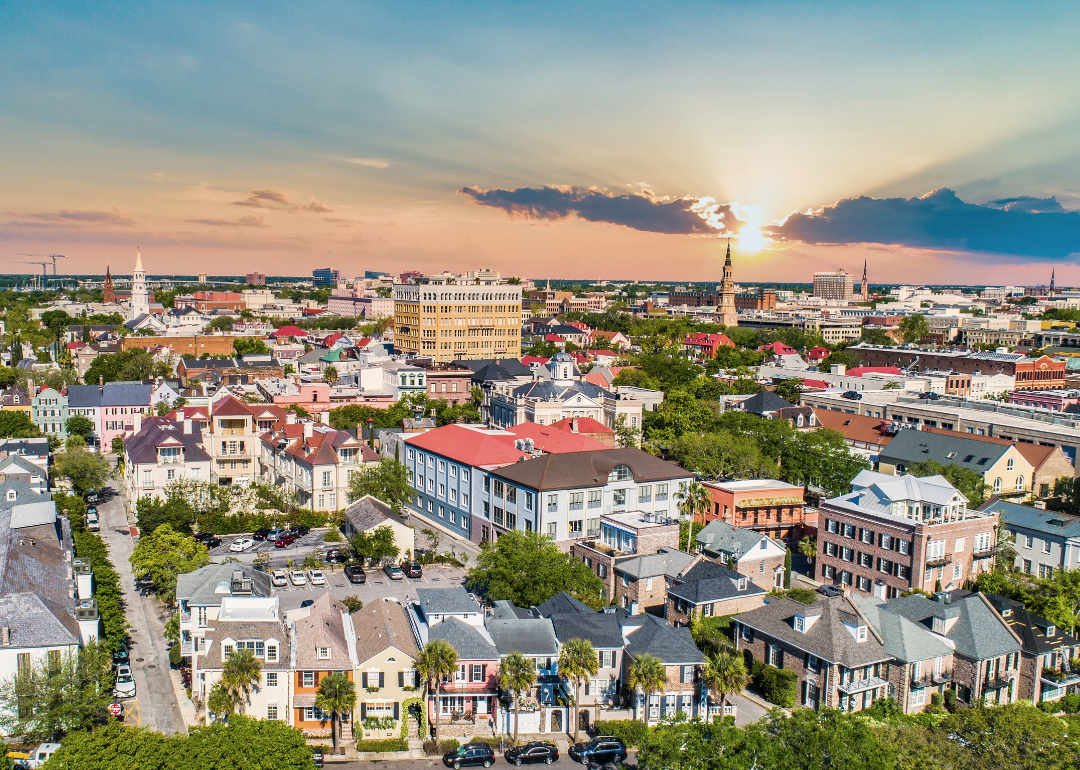
How states compare by their commercial energy use
Feb 1, 2023 | 5:45 PM