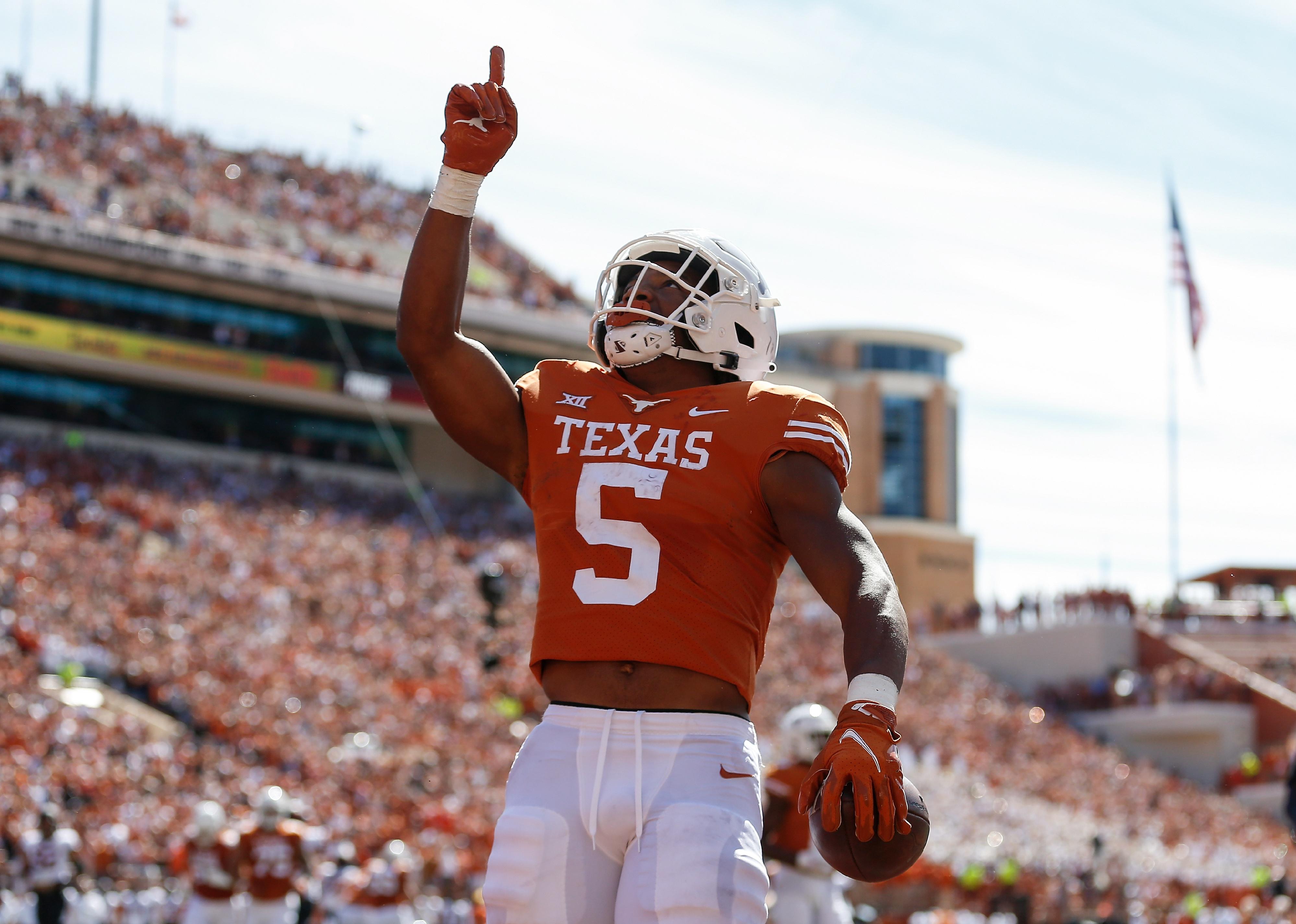
Steph Chambers // Getty Images When the U.S. Supreme Court ruled in June 2021 that college athletes had a right to profit from their image, it whipped athletes, brands, and donors into a frenzy akin to the California Gold Rush. One day after student-athletes legally could earn from their name, image, and likeness (NIL), brands sent at least 1,000 deals on Opendorse, a tech company that connects athletes with brands via its online marketplace. Since then, the rules about who participates in NIL deals have been far from hard and fast. Brands far and wide have sponsored athletes. Those include heavy hitters already entrenched in sports marketing like Nike and Gatorade as well as more niche team-ups like Kool-Aid sponsoring a ‘Kool-Aid’-nicknamed player or delivery app GoPuff partnering with an offensive lineman to promote berry-scented candles. Meanwhile, student-athletes across a bevy of sports and from schools big and small have garnered payments for their notability. It wasn’t always like this. Some big-ticket college sports, primarily football and basketball, have been money earners for years. As an example of the industry’s economic power, the primary governing body of college sports in the U.S., the National Collegiate Athletic Association, collected $1.12 billion in revenue in 2019. However, long forced into the “amateur” designation, student-athletes couldn’t legally profit, and many of the dollars generated by college sports went to coaches and school administrators instead. Now, those athletes can tap into the free-for-all of NIL deals and, finally, pan for their share of the gold. And what a gold nugget they found. Brands spent $917 million on student-athletes in the first year of NIL deals, according to an estimate by Opendorse. Another athlete marketplace, INFLCR, calculated in its end-of-year report that athletes pulled in $1,815 per transaction during the 2021-22 school year. It’s hard to argue that NIL deals have been anything but lucrative for student-athletes. To get a better sense of this latest wrinkle in college sports, Stacker compiled a list of 20 college sports that collect the most money through NIL deals, as calculated in a 2022 report by Opendorse. This data set also includes the share of NIL activities–such as social media posts or autograph signings–each sport makes up. We’ll first examine the various activities that make student-athletes the most money. Then we’ll highlight notable NIL deals and tales across the 20 most profitable college sports for athletes. Keep reading to dig into what makes this up-and-coming industry tick. You may also like: 25 athletes who came out of retirement How college athletes make money Jared Beilby // Stacker Posting on social media is by far the activity that earns the most money–over one-third of all compensation during the first year of NIL deals was for posting content over social channels. It’s not surprising: With built-in follower counts and easy audience engagement, social media provides an efficient avenue for gauging the success–or potential success–of partnering with a student-athlete. Around half the share of posting content is “other activities,” which covers anything that’s not on the rest of the list. Lagging close behind are licensing rights–think consumer products like video games, jerseys, and T-shirts–and autograph signings. Rounding out the top five is creating content via videos or otherwise. All told, student-athletes have plenty of different ways to earn money through NIL deals. Men’s tennis Chad Robertson Media // Getty Images – Share of NIL compensation: 0.3% – Share of NIL activities: 1.3% As one of the smaller sports, men’s tennis has collected a small share of the overall NIL compensation. However, there are still ways for men’s tennis players to earn money. For instance, Clemson University’s Matthew Pitts was signed by TigerImpact, a NIL collective that pays Clemson athletes via donations it receives. Student-athletes signed by TigerImpact work on behalf of and help promote local charities. Women’s tennis Quinn Rooney // Getty Images – Share of NIL compensation: 1.4% – Share of NIL activities: 1.5% Mizuno, a Japanese equipment company that dabbles in many sports, made Carson Foster the first collegiate swimmer in its stable of student-athletes by signing the University of Texas star in September 2021. As part of the deal, Mizuno requires Foster to wear Mizuno gear in both training and competition. Since partnering with Mizuno, Foster has won the 800-meter freestyle relay national championship with Texas and an 800-meter freestyle relay gold medal for Team USA at the 2022 World Championships. Baseball Catherine Ivill // Getty Images – Share of NIL compensation: 1.7% – Share of NIL activities: 8.0% Dexcom, a company that produces glucose monitoring products for people with diabetes, partnered with 14 student-athletes diagnosed with diabetes. Among those 14 were three baseball players: Cade Brown from the University of Oklahoma, Bryce Frederick from Towson University, and Leo Giannoni from Columbus State University. All three players use a real-time glucose monitoring device made by Dexcom during practice and games. You may also like: Best beers from every state Women’s swimming and diving
Gold rush: How college athletes in different sports make money in the Wild West of name, image, and likeness deals
Jan 24, 2023 | 9:30 AM